

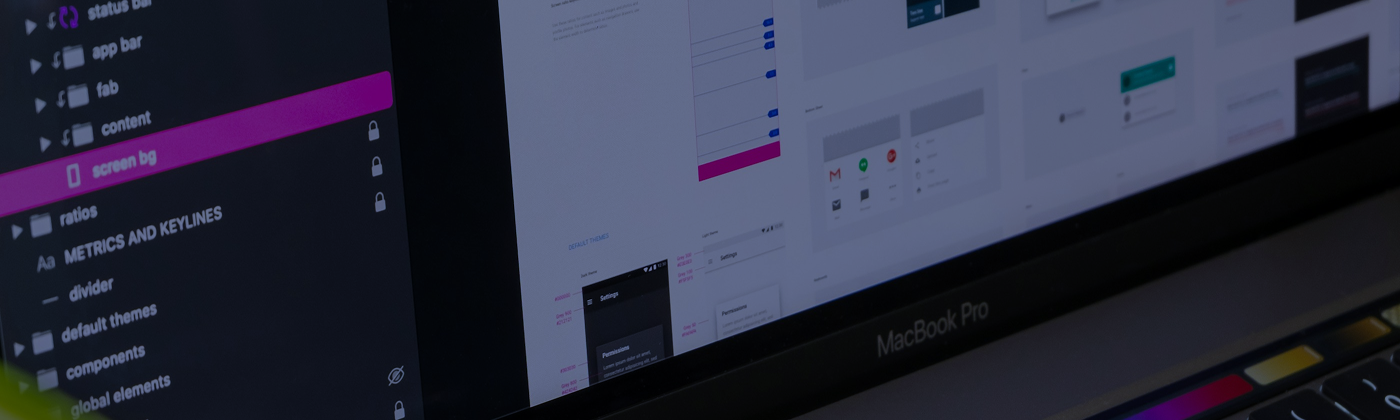
As digital products grow, maintaining a consistent user experience becomes increasingly challenging. New features are added, teams expand, and products evolve—but without a shared foundation, interfaces can quickly become inconsistent, difficult to maintain, and frustrating for both users and developers.
That's where design systems come in.
More than just a collection of UI components, a design system is a shared language that helps designers and developers create cohesive, scalable digital experiences. It ensures every button, form field, navigation pattern, and interaction feels familiar, no matter where a user encounters it.
A design system is a centralized collection of reusable components, design standards, and documentation that guides how a product is built.
A well-crafted design system typically includes:
Instead of reinventing common interface elements for every new screen, teams can rely on a consistent library of approved components.
Users don't consciously notice consistency—but they immediately notice when it's missing. When buttons behave differently from one page to another or navigation patterns suddenly change, users are forced to relearn the interface. That creates friction and increases cognitive load.
A consistent experience helps users:
For businesses, that often translates into higher engagement, fewer usability issues, and lower support costs.
Consistency isn't just beneficial for users—it also helps the teams building the product. With a design system in place, designers spend less time recreating common elements and more time solving meaningful user problems. Developers can build from standardized components rather than interpreting every screen from scratch.
Some of the biggest benefits include:
Rather than maintaining dozens of slightly different buttons or input fields, everyone works from the same source of truth.
One of the biggest advantages of a mature design system is that accessibility becomes built into every component. Instead of checking color contrast, focus states, spacing, or touch targets every time a new page is created, those considerations are addressed once within the component library and reused consistently throughout the product. This makes it easier to create experiences that are more inclusive while reducing repetitive quality assurance work.
A design system isn't something you create once and forget. Like the products they support, design systems should evolve alongside changing user needs, business goals, and technology.
Successful systems are continuously refined through:
Treating the design system as a living product helps maintain quality over time.
Whether you're building a marketing website, an internal business tool, or a complex SaaS platform, a strong design system creates a foundation for consistency, collaboration, and growth. It's not just about making interfaces look uniform—it's about helping teams work more efficiently while creating experiences that feel intuitive and reliable for users. As products scale, the value of a design system only becomes more apparent. Investing in one early can save countless hours of rework while ensuring every new feature feels like a natural extension of the product.


